







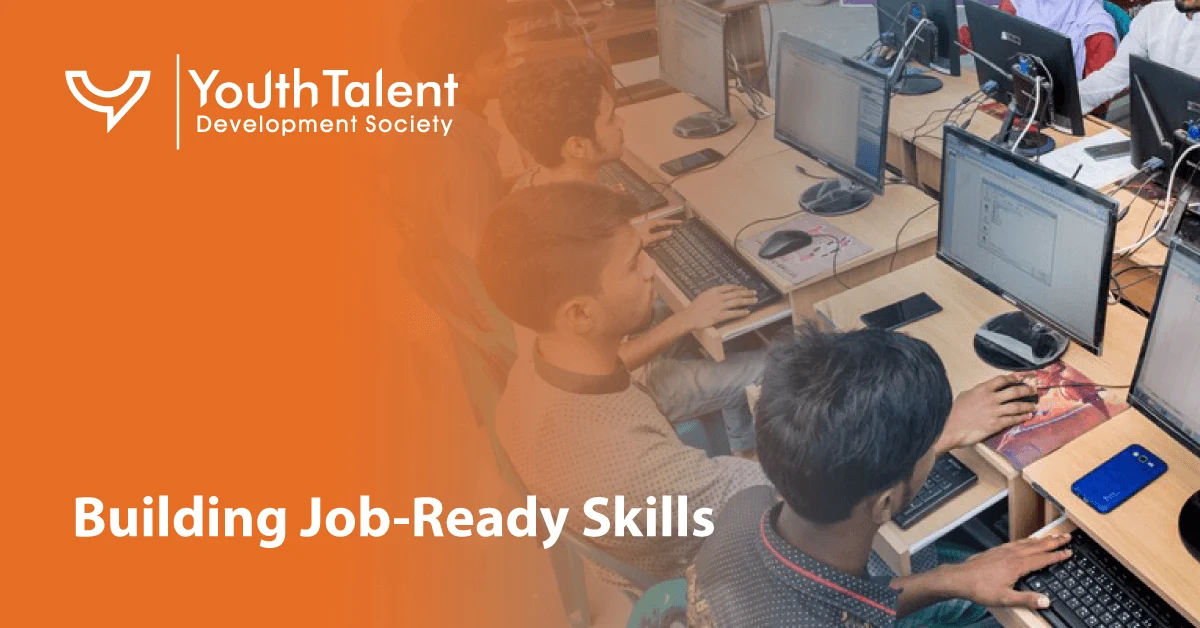
India produces millions of graduates every year. Yet, a large percentage of them struggle to find stable employment.
The reason is not a lack of education – it’s a lack of job-ready skills.
Employers today look for candidates who can contribute from day one. However, many individuals lack practical exposure, industry knowledge, and workplace readiness.
Skill development programs play a critical role in bridging this gap by focusing on real-world training, industry alignment, and employment pathways.
Understanding the Skill Gap in India
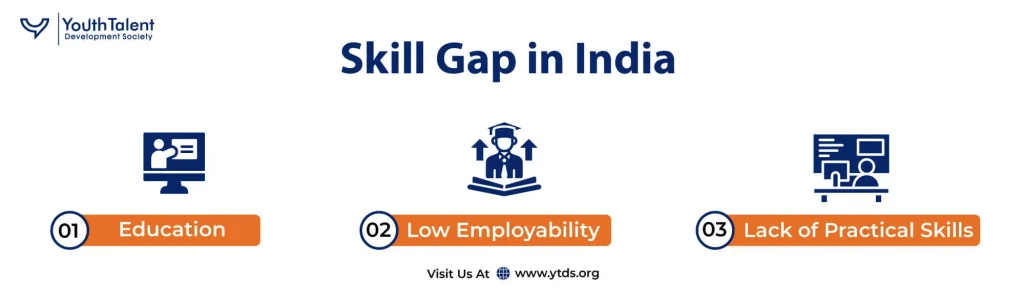
Despite academic qualifications, many candidates face challenges such as:
- Limited practical knowledge
- Lack of exposure to real tools and systems
- Poor communication and workplace readiness
- Mismatch between curriculum and industry needs
This creates a situation where:
Degrees exist, but employability does not.
What Are Skill Development Programs?
Skill development programs are structured training initiatives designed to prepare individuals for specific job roles.
Unlike traditional education, these programs focus on:
- Hands-on training
- Real-world applications
- Industry-relevant tools
- Job readiness
The goal is simple:
Make individuals capable of performing in actual work environments.
How Skill Development Programs Improve Employability
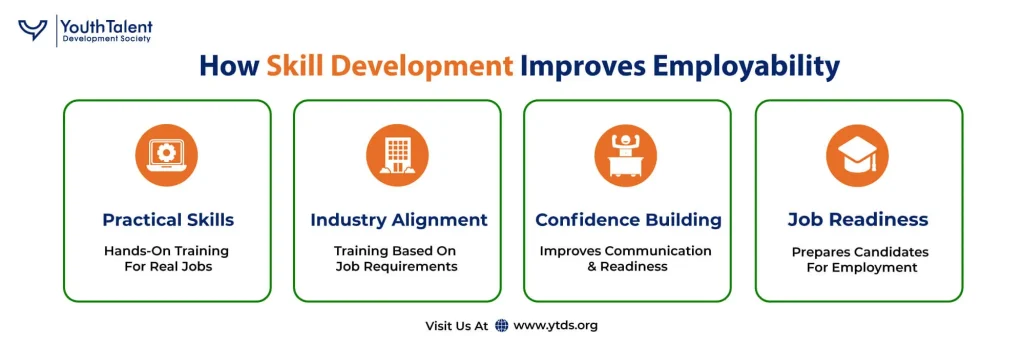
1. Build Practical, Job-Ready Skills
Skill programs focus on tasks that are directly used in jobs, such as:
- Software and digital tools
- Accounting systems
- Operational processes
This reduces the learning curve for employers and increases hiring chances.
2. Align Training with Industry Requirements
Traditional education often lags behind industry needs.
Skill programs bridge this gap by:
- Updating training based on market demand
- Teaching tools currently used by companies
- Preparing candidates for real job roles
3. Improve Confidence and Workplace Readiness
Many candidates struggle due to:
- Lack of confidence
- Poor communication
- No exposure to professional environments
Skill development programs address this through:
- Practical sessions
- Mock training
- Real-world scenarios
4. Create Direct Pathways to Employment
Effective programs go beyond training and include:
- Internship opportunities
- Industry connections
- Placement support
This helps individuals move directly from learning to earning.
5. Support Long-Term Economic Growth
Skill development has a broader impact:
- Individuals gain stable income
- Families become financially secure
- Communities benefit from employment
This creates sustainable, long-term change.
Types of Skill Development Programs in India
Skill programs are available across multiple sectors:
- Digital skills (computer literacy, tools, platforms)
- Accounting and finance training
- Vocational and technical training
- Soft skills and communication
- Industry-specific certifications
Programs that combine technical + practical + soft skills deliver the best outcomes.
Example: How Skill Training Leads to Employment
A structured skill development program typically includes:
- Training in job-specific skills
- Hands-on practice and real-world simulations
- Industry exposure
- Internship or placement support
This approach ensures that candidates are not just trained — but employable.
Role of NGOs in Skill Development
NGOs play a key role in making skill development accessible, especially for underserved communities.
They:
- Provide affordable or sponsored training
- Focus on practical learning
- Reach communities with limited access
- Support individuals in finding employment
This ensures skill development is inclusive and impactful.
Common Challenges in Skill Development
Not all programs deliver results.
Common issues include:
- Outdated curriculum
- Lack of industry alignment
- No placement support
- Limited practical exposure
The effectiveness of a program depends on how well it connects training with real employment outcomes.
How YTDS Supports Skill Development and Employment
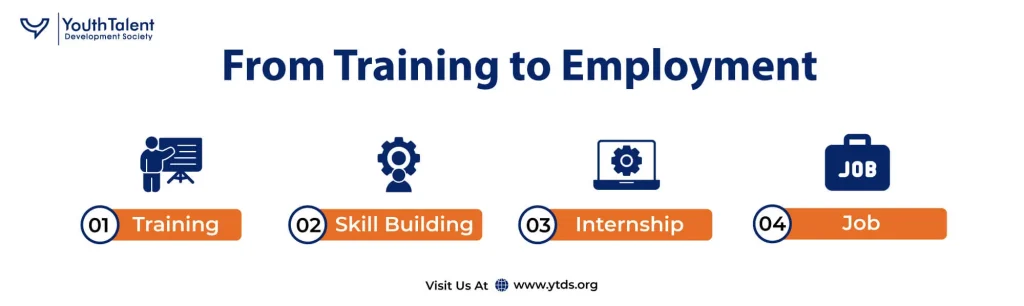
YTDS focuses on creating structured pathways from training to employment.
- Industry-aligned skill training programs
- Emphasis on practical, real-world learning
- Support for internships and job opportunities
- Focus on youth and underserved communities
The approach ensures that training leads to real employability, not just certification.
Frequently Asked Questions (FAQs)
1. Why is skill development important in India?
It bridges the gap between education and employment by making individuals job-ready.
2. What skills are most important today?
Digital skills, communication, accounting tools, and role-specific technical skills.
3. Do skill development programs guarantee jobs?
Not all, but structured programs with placement support significantly improve employment opportunities.
4. Who should join skill development programs?
Students, graduates, job seekers, and individuals looking to upgrade their skills.
5. How long do these programs take?
Typically a few weeks to a few months, depending on the program.
Conclusion
Skill development is one of the most effective ways to improve employability in India.
Programs that focus on practical training, industry alignment, and job pathways create meaningful outcomes – for individuals, businesses, and society.