







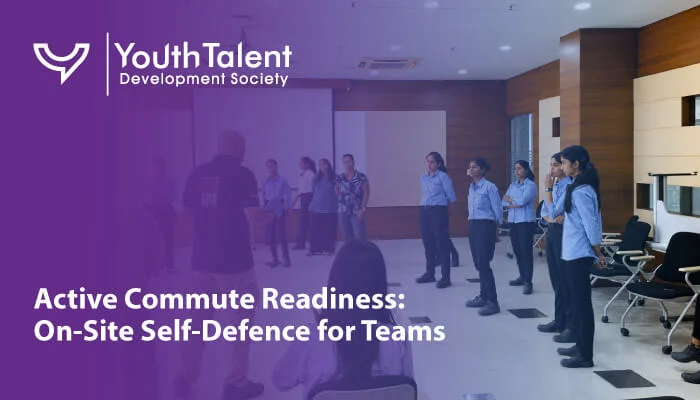
As the monsoon season sweeps across India’s major industrial and corporate hubs, operations and Human Resources teams face a distinct shift in workplace dynamics. While leadership focuses on weather-proofing facilities and logistical infrastructure, a deeper, human-centric challenge emerges: increased transit vulnerability for employees.
The monsoon months bring heavy rains, localized waterlogging, unpredictable public transport delays, and significantly earlier nightfall.
For female employees navigating their daily commutes—whether walking from a tech park to a metro station or waiting for a delayed corporate cab at a dark transit junction—these environmental factors compound safety anxieties.
Mid-year is also when corporate boards roll out seasonal wellness campaigns and compliance audits. Instead of relying on passive classroom slideshows, forward-thinking organizations are utilizing their budgets for high-energy corporate safety week ideas that deliver real-world utility.
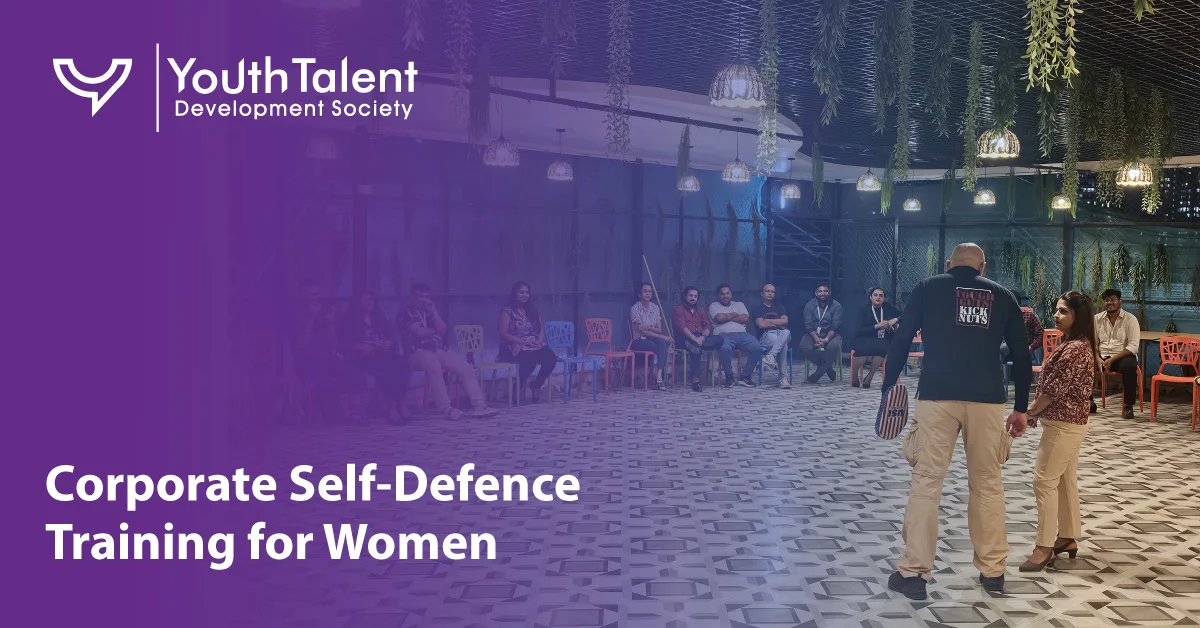
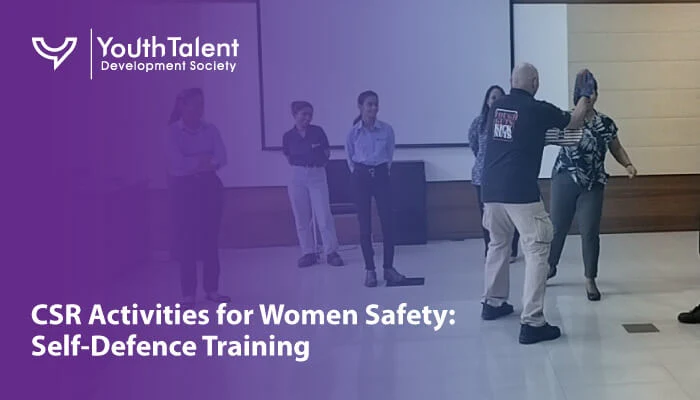
Deploying an on-ground, practical self-defence bootcamp under the SafeHerIndia framework provides your workforce with immediate, life-saving skills precisely when seasonal risks are at their highest.
Turning Seasonal Vulnerabilities into Practical Readiness
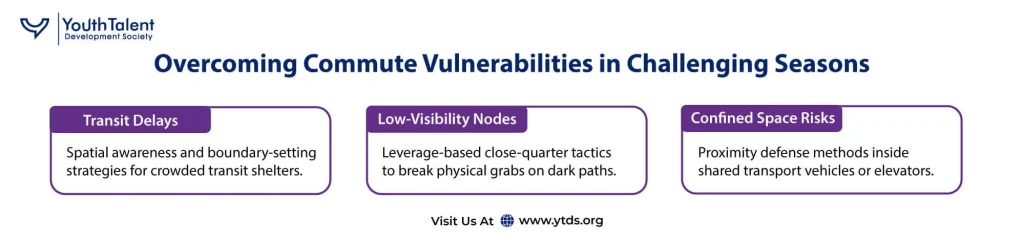
A standard corporate policy document cannot help an employee on a waterlogged, poorly lit street. True safety requires physical, muscle-memory training tailored specifically to the high-risk environments brought on by seasonal transit disruptions.
The SafeHerIndia curriculum directly counters the core vulnerabilities accelerated by the monsoon commute:
Seamless On-Site Integration: The Single-Session Framework
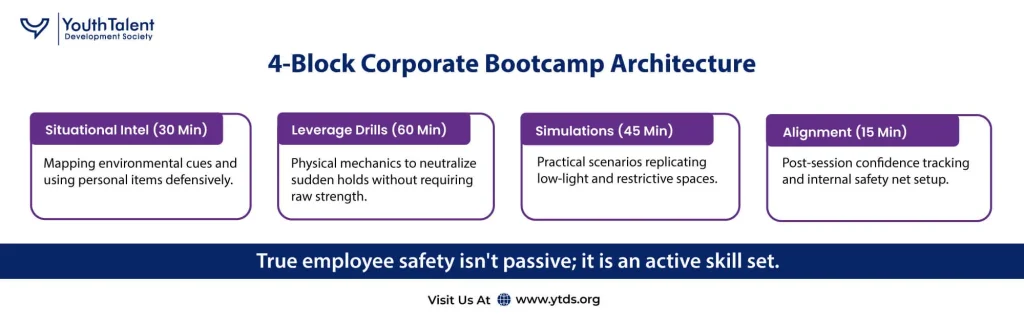
HR and EHS teams operate on tight mid-year schedules. SafeHerIndia bootcamps are engineered to integrate cleanly into a 2-to-3 hour corporate block, providing intensive, practical value without interrupting core business workflows:
1. Situational Intelligence & Environmental Audits: Block 1: 30 Mins.
Employees learn to identify early warning signs of physical danger, map secure alternative routes during heavy downpours, and utilize everyday personal objects (like umbrellas or bags) as defensive assets.
2. Leverage-Based Escape Tactics: Block 2: 60 Mins.
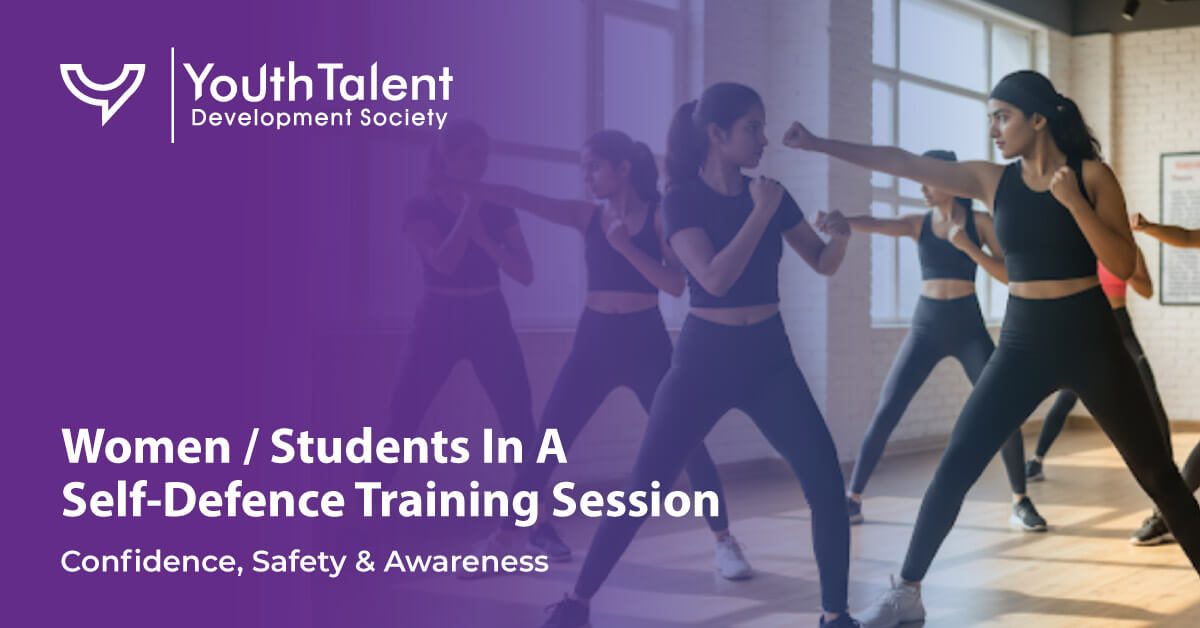
A highly active session where participants practice breaking physical holds. The training utilizes body physics and leverage over raw physical strength, making it accessible to individuals of all fitness levels.
3. Dynamic Simulation Drills: Block 3: 45 Mins.
Putting tactics into immediate practice. Instructors create realistic scenarios mimicking low-visibility commutes, unlit walkways, and restrictive vehicle spaces to seal the muscle-memory response.
4. Team Alignment & Safety Network Integration: Block 4: 15 Mins.
Establishing internal peer-support pairs, aligning with facility security personnel, and tracking immediate post-session employee confidence scores.
The Strategic Return: Moving Beyond Compliance
Presenting an on-site tactical safety workshop to your corporate committee establishes an ironclad business case rooted in workforce metrics:
1. Direct Mitigation of Seasonal Attrition and Absences
When employees feel exposed to systemic transit hazards, absenteeism spikes during severe weather events. Providing actionable, hands-on self-defence training directly reduces transit anxiety, helping team members feel capable, secure, and supported on their journey to and from work. To learn how physical readiness updates your baseline talent framework, read our core analysis on Why Self-Defence Training is Important for Women in India.
2. High-Impact, Tangible Team Collaboration
Unlike siloed, desk-based tasks, an active safety bootcamp serves as a premier team-building catalyst. Employees from disparate corporate verticals train side-by-side, cultivating cross-functional trust, open communication, and shared reliance. To see how these shared safety milestones strengthen organizational bonds, view our strategy on How Mentorship Programs Drive Women Empowerment in CSR Initiatives.
3. Fulfilling the ‘Duty of Care’ Reporting Framework
Under modern workplace health and safety India compliance protocols, an organization’s protective mandates cannot stop at the security gate. Investing in your team’s personal defensive capacity provides clear, auditable evidence of your brand’s commitment to holistic employee care. To align these training metrics with your annual corporate social audits, review our reporting blueprint in How to Measure the Impact of Tree Plantation CSR Projects.
The Bottom Line for HR and Operations Leadership:
True employee safety isn’t passive-it is an active skill set. By equipping your workforce with the physical capacity to identify, manage, and neutralize threats during challenging commute cycles, you protect your most critical asset while building an empowered corporate culture.